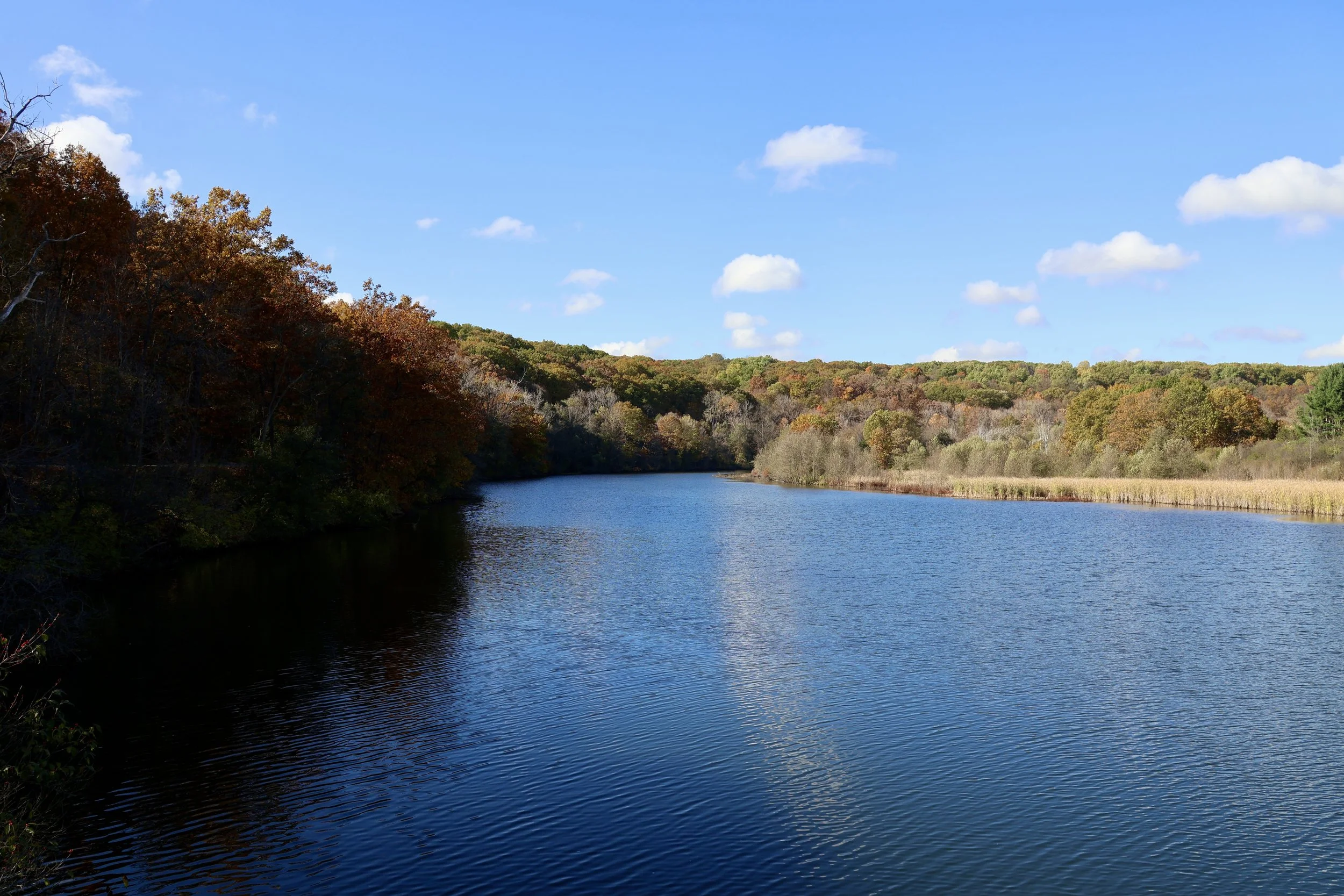
Huron River History
Native American History
The origins of the Huron River stem from the end of the last Ice Age. In 20,000 BC, Michigan was covered entirely by glaciers, which began to melt over the following 10,000 years. This began the formation of the Huron River in present-day Livingston County. In 13,000 BC, the river began drawing from Lake Maumee (the precursor of Lake Erie), and around 10,000 BC, the river formed its current path and has remained mostly stable ever since. This is estimated to be around the time the first humans arrived as hunter-gatherers. They followed mastodons and mammoths across the receding glaciers.
As the years went on, native tribes began to settle along the Huron River. The Potawatomi and Wyandot native tribes established villages along the river, following paths first formed by a variety of animals over thousands of years. People navigated the river via dugout canoes. Barton Pond was a major agricultural field while Ann Arbor and Ypsilanti became trade hubs.
The Potawatomi named the river “Cosscutenongsebee” meaning “burnt river district.” The Huron River turned into a major trade route and connector to other parts of the region.
Long before John Allen and Elisha Rumsey founded present-day Ann Arbor, there was a network of trails to link communities and resources along what are now major roads, such as Jackson Road. The river, and subsequent trail system, evolved into what is now the heart of Ann Arbor. Natives took care of the surrounding land through lighting controlled burns to clear dead brush and create better farming and hunting grounds. This created the famous arbors of towering oak, maple, elm, ash, beech, and walnut trees surrounding the meadows.
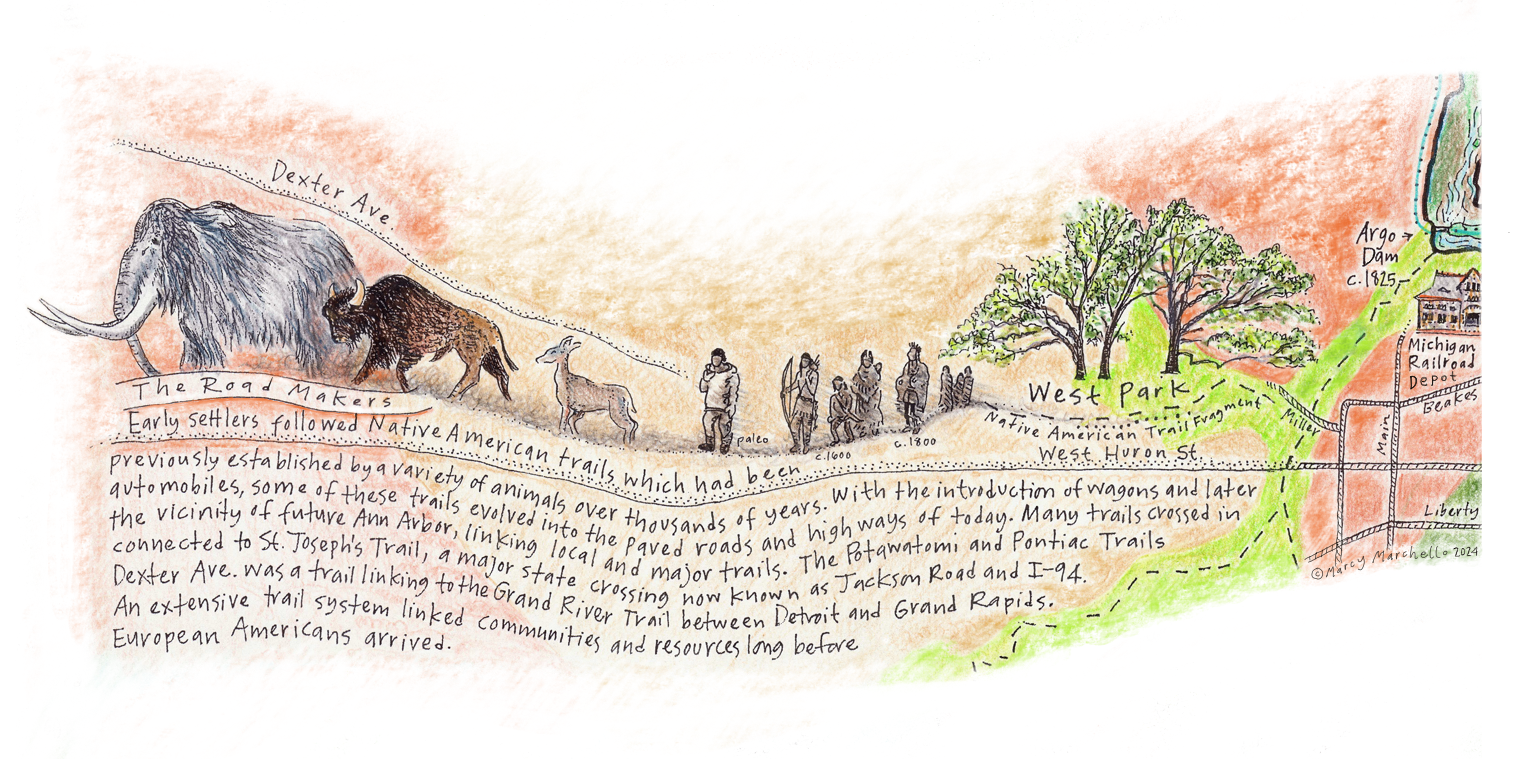
Artwork by Marcy Marchello “The Natural Ann Arbor Map”, Ferncliff Studio
The Underground Railroad Through Ann Arbor
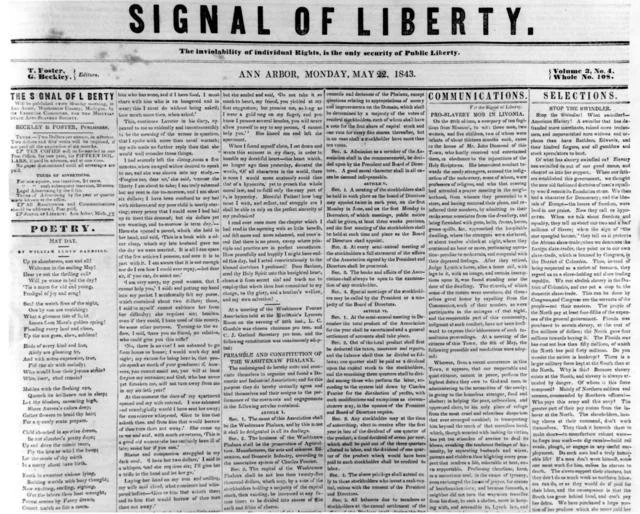
The Underground Railroad helped as many as 100,000 slaves escape to freedom between 1810 and 1850. Two “lines” of the Underground Railroad ran through Ann Arbor en route to Detroit and freedom in Canada.
In 1837, the Michigan State Anti-Slavery Society was formed on the corner of Huron and South Division in Ann Arbor. Abolitionist Guy Beckley founded “The Signal of Liberty” from his office on Broadway, which became a national paper that frequently published accounts from fugitive slaves. A 1841 Signal of Liberty article spoke of how Ann Arbor abolitionists helped six fugitive slaves escape to Canada. On average, 50 escaped slaves passed through Ann Arbor per year on their way to Canada.
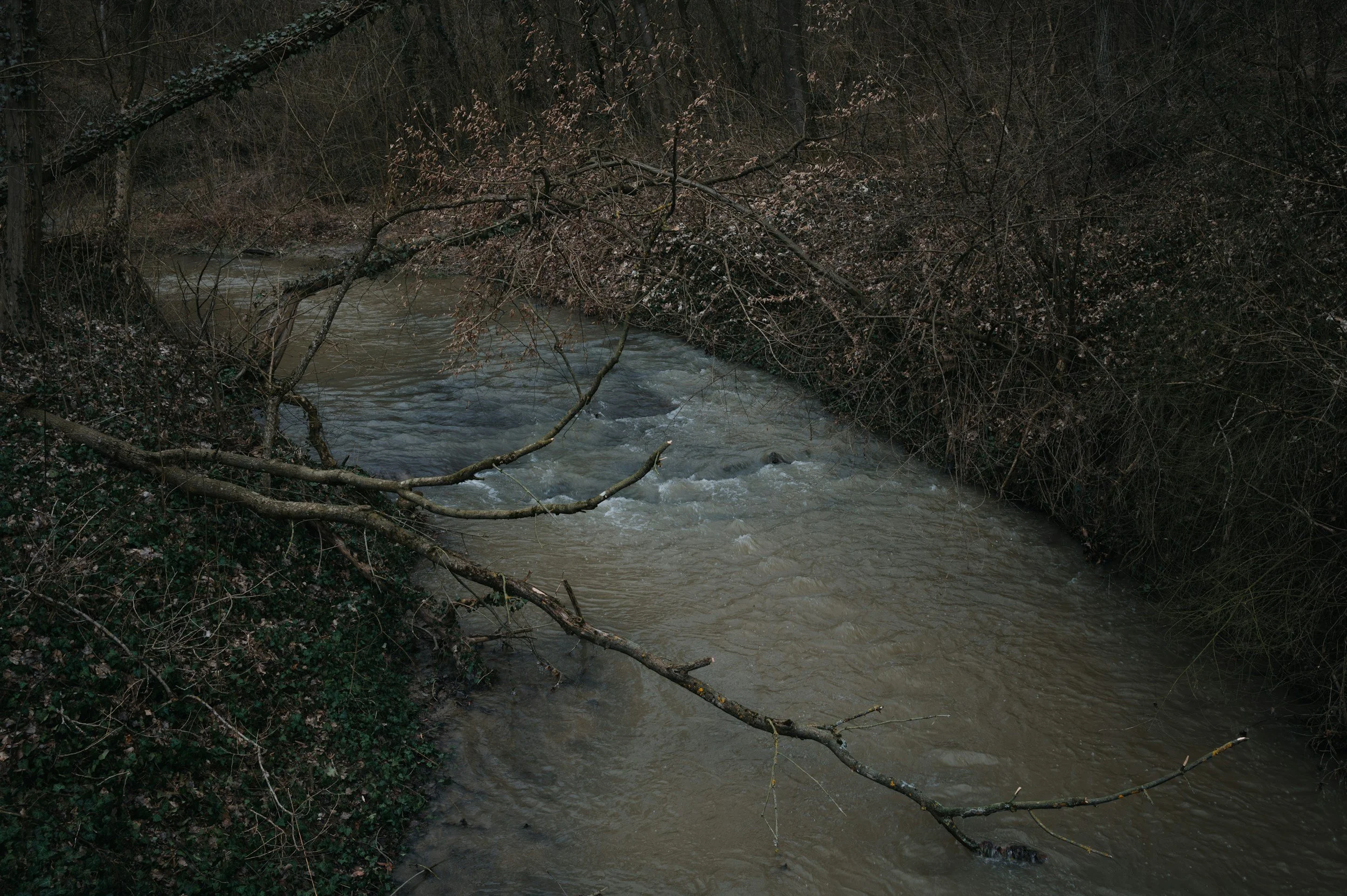
Huron River Tributaries
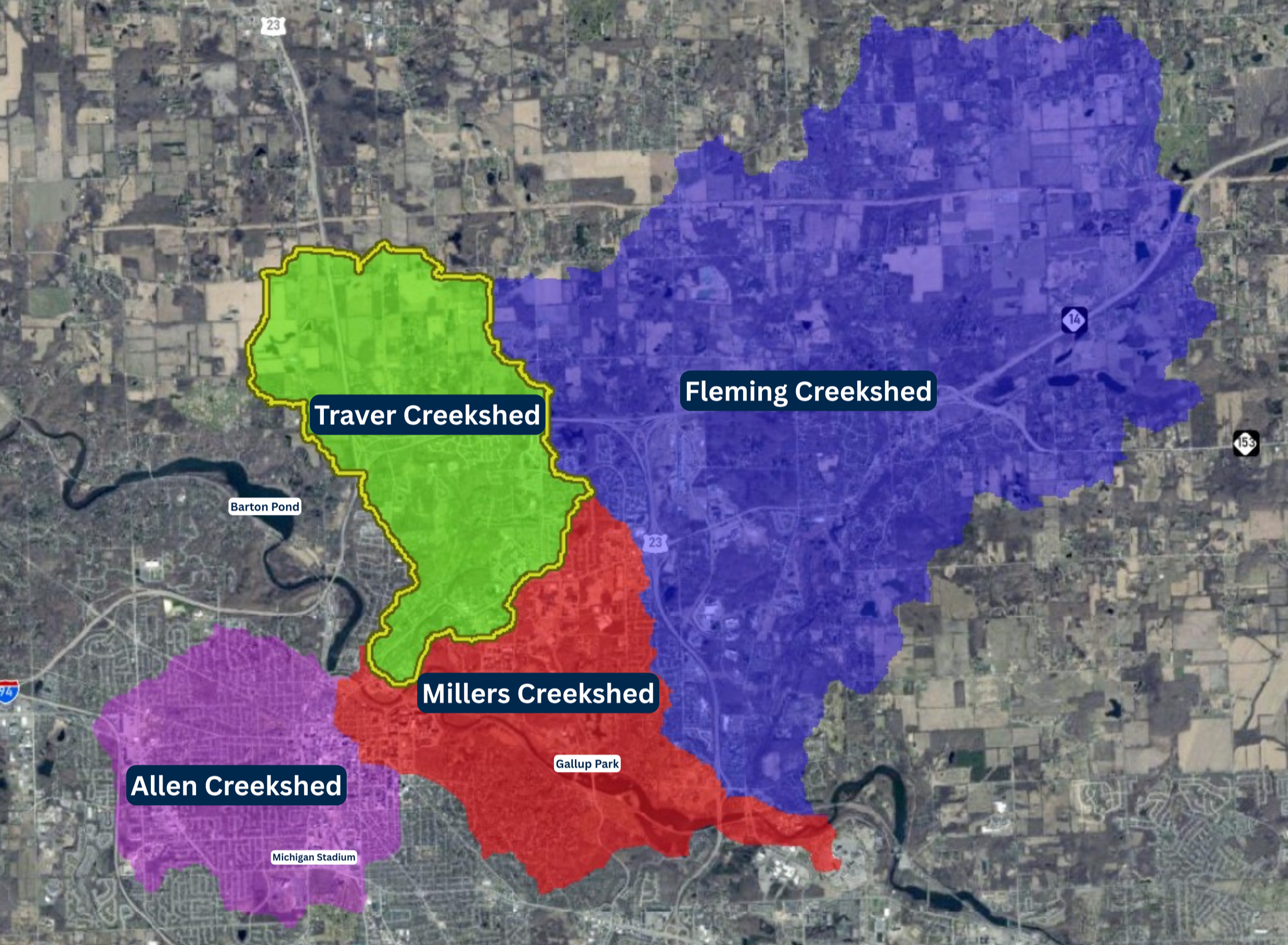
Of the numerous tributaries of the Huron River, four main ones run through Ann Arbor. Allen Creek, Fleming Creek, Millers Creek, and Traver Creek offer dozen of combined miles of offshoots and different fish and wildlife.
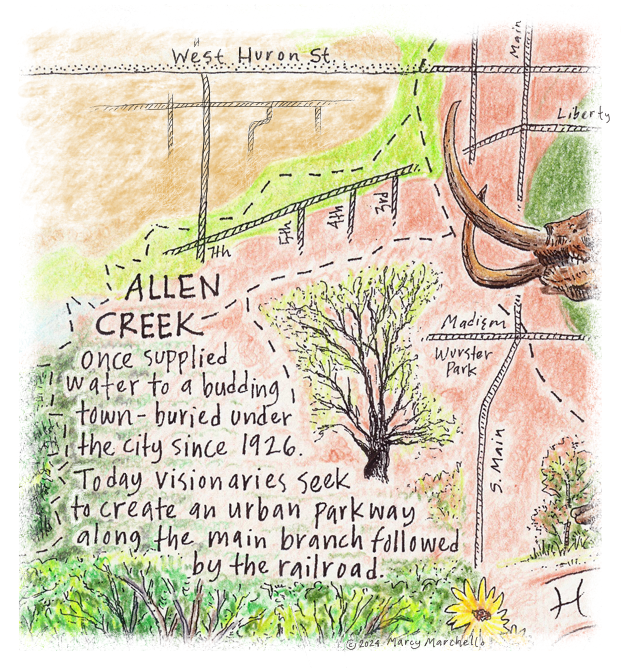
Allen Creek now lies mostly underground beneath the city and the Old West Side neighborhood. The main part of the creek flows parallel to the railroad tracks and enters the Huron River just south of the Argo Dam. It is referred to as the “Ghost Creek” as it now lies underneath the city, mainly in concrete pipes.
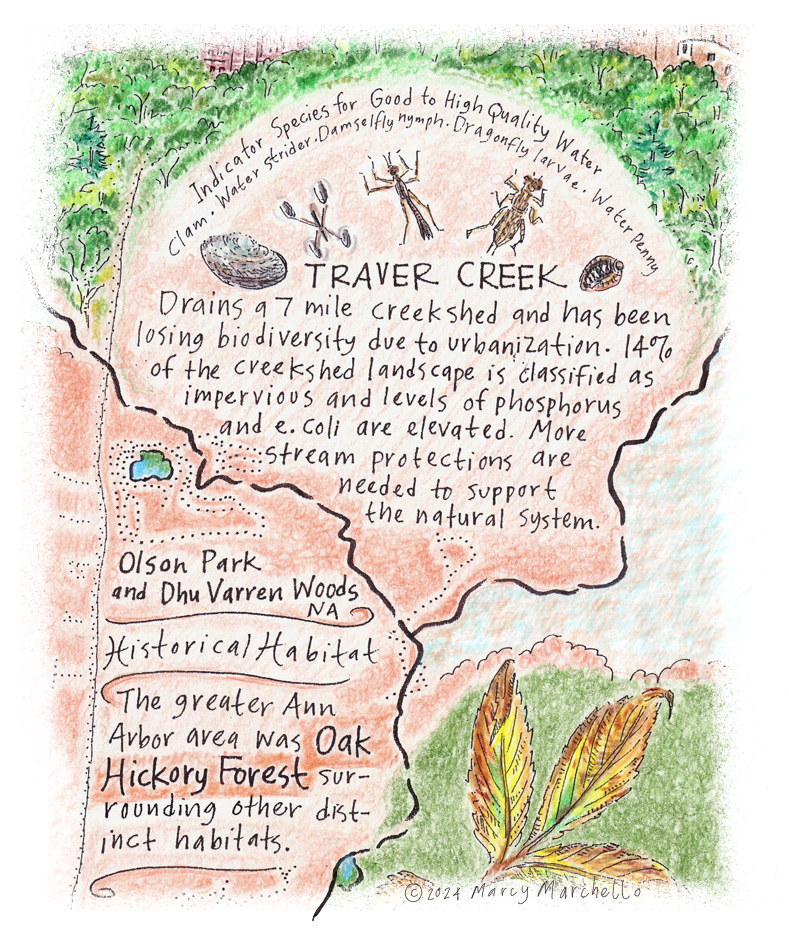
Traver Creek runs from northeast Ann Arbor and drains roughly seven miles. It is dealing with an increasingly impervious landscape, resulting in decreased biodiversity. The creek shed was covered in an oak hickory forest before settlers arrived, but the southern section now cuts through urban Ann Arbor.
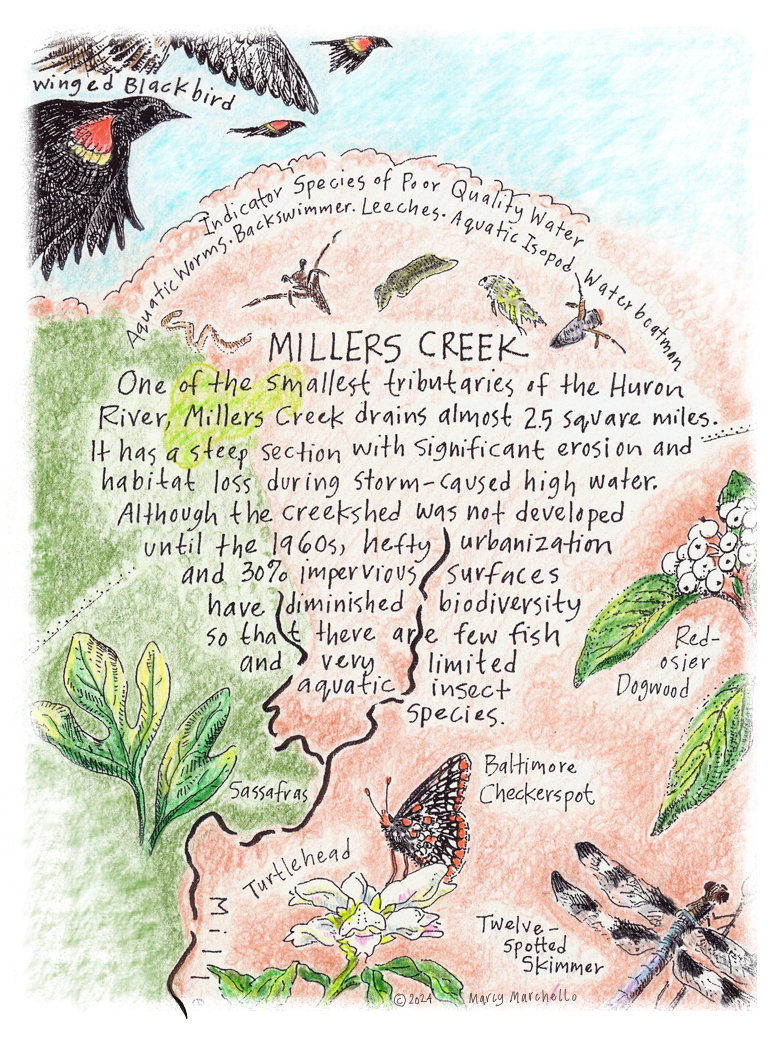
Millers Creek is one of the smallest tributaries of the Huron River, draining just shy of 2.5 miles. It is very steep at points, dropping almost 70 feet between Hubbard Road and Glaizer Way. The University now owns roughly 1/3 of the land in the creek shed, with much of it developed into North Campus.
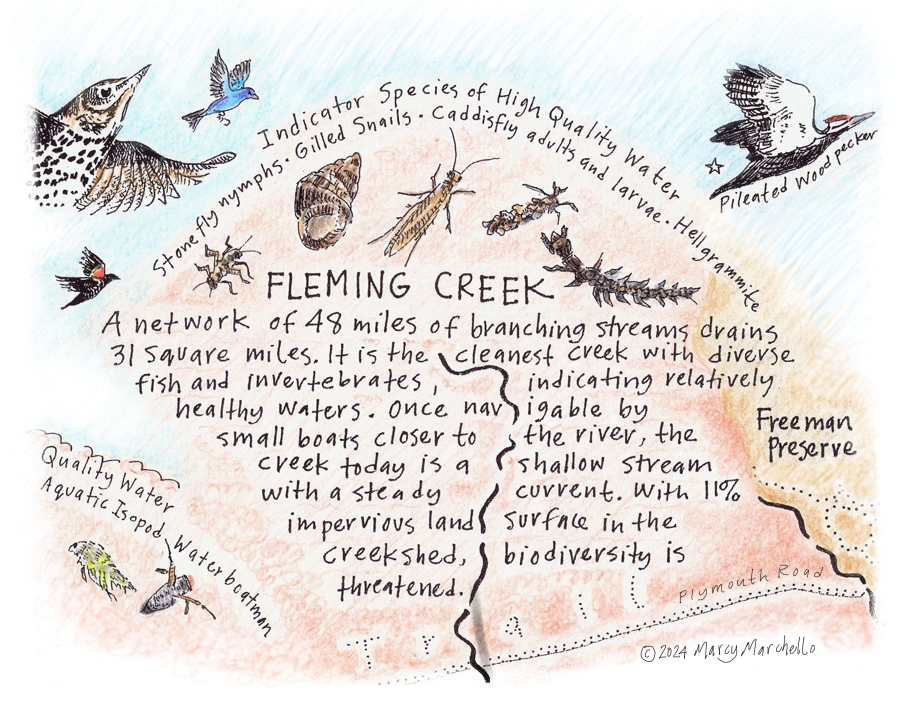
Fleming Creek drains 31 square miles of land and spills into the Huron River east of US-23. In 1824, Robert Fleming built a sawmill on what is now Fleming Creek, turning it and the Huron River into an important into an important power source for settlers. In the present day, the 1.2-mile Fleming Creek Trail offers hikers a chance to interact with the natural forest alongside the gentle flowing water.