Restore The Natural Features Around the River
The riverfront is full of natural beauty, but significant parklands are overgrown, underutilized, and difficult to access.
Transform the riverfront by removing invasives, restoring viewscapes, and creating walkable, vibrant public spaces to enjoy the natural features of the river.
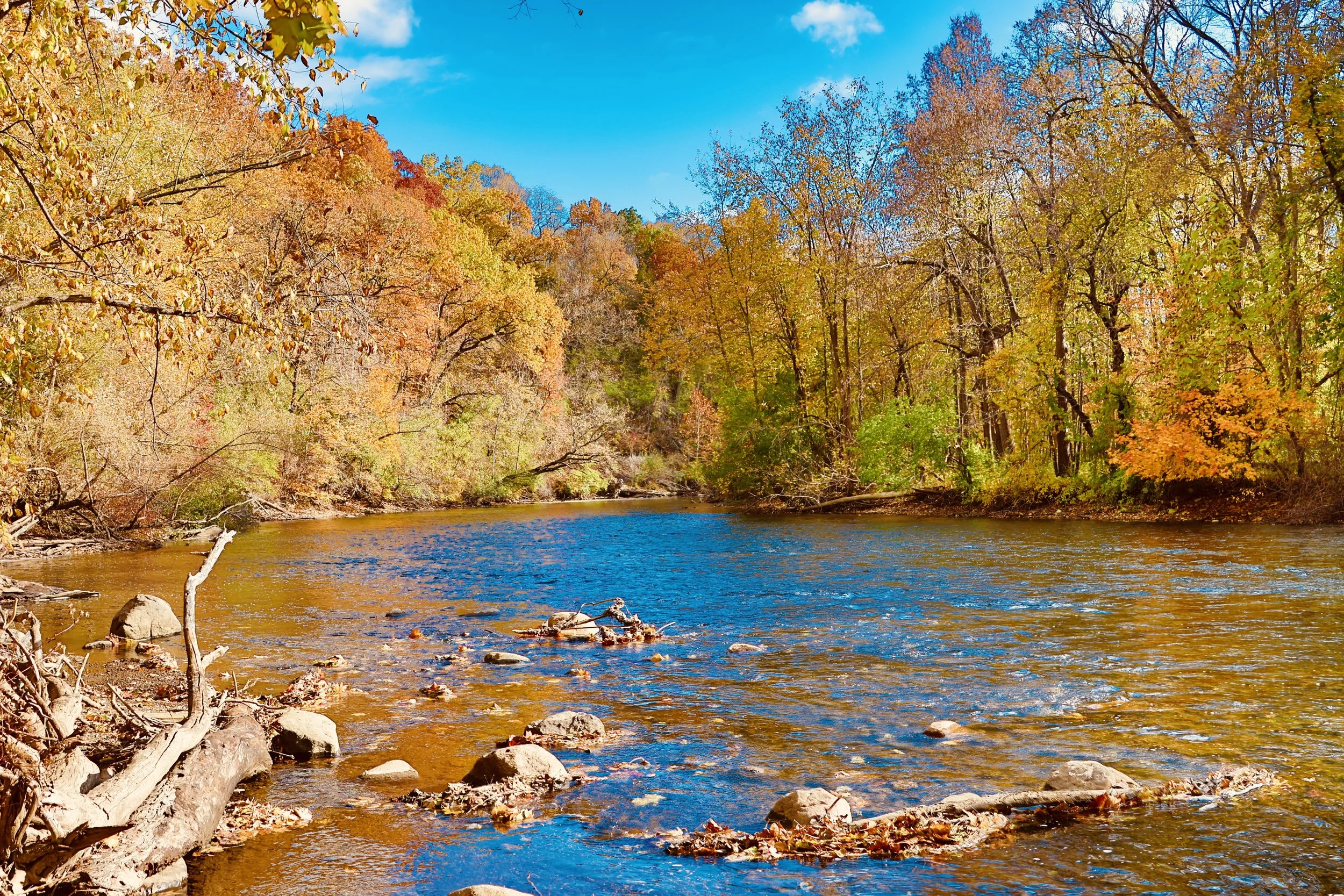
Realizing the potential of the Huron River Corridor begins with restoring the natural beauty of the river from Barton bond to Gallup Pond. The river and accompanying parkland ought to be a destination for all Ann Arborites to enjoy, yet significant amounts of the riverfront are underutilized and overgrown with invasive species such as honeysuckle and buckthorn.
Expanding the Lowertown Conservancy will allow for important maintenance and restoration of natural resources along the Huron River.
One solution to removing invasives is prescribed (or controlled) ecological burning. This process involves scheduled fires to remove dead leaves, brush, and invasive plants. The result is an improved habitat for native animals, recycled nutrients back into the soil, and renewed growth of trees, wildflowers, and other plants. Before settlers arrived in Ann Arbor, native populations regularly burned away dead brush, allowing native plants and animals to thrive.
Prescribed burns are conducted by trained staff and do not pose any harm to people or animals. The emissions from a burn are less than mowing a same-sized site. In fact, research suggests carbon emissions following a burn decrease between 18 to 25 percent on average and up to 60 percent due to increased growth and vegetation

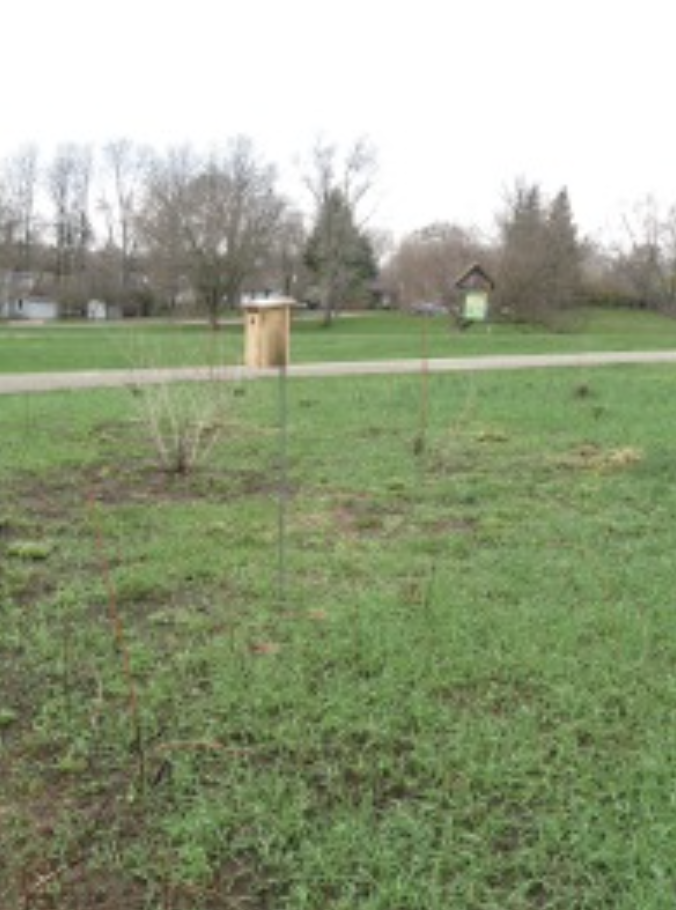
Day of burn

5 weeks after burn
10 weeks after burn
Photos courtesy City of Ann Arbor
The Six Gems of the Huron River
Barton Nature Area
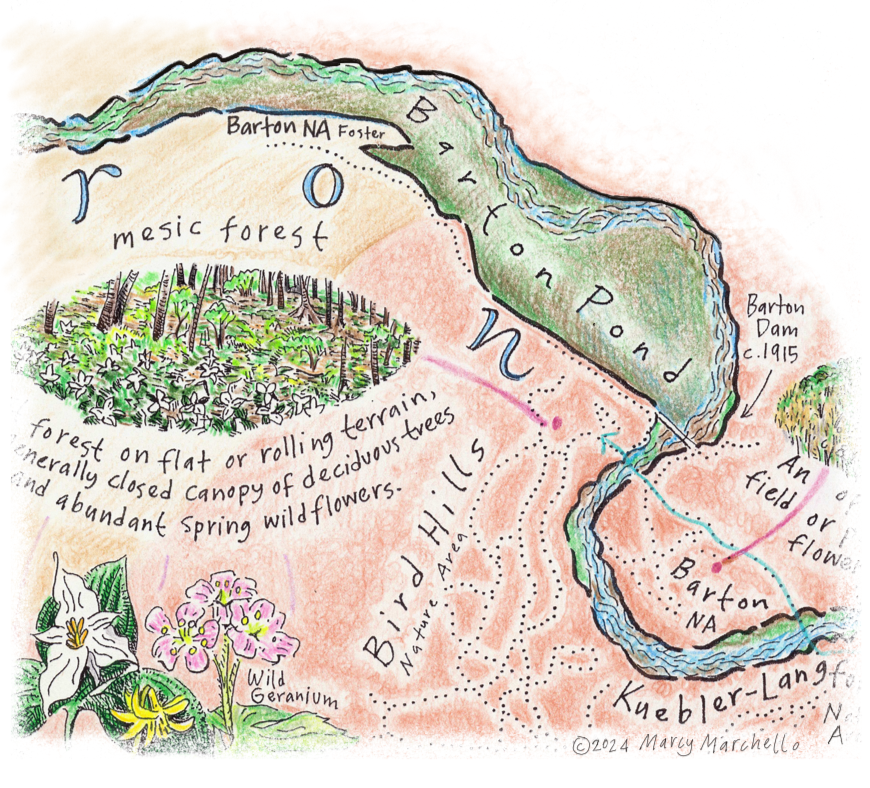
98 acres of park land north of downtown off of Huron Park Drive. Barton Pond is the first “gem” of the river in Ann Arbor.
Barton is a popular destination for hiking, fishing, and soaking in beautiful views of the water. Barton Pond provides 85% of Ann Arbor’s drinking water, making it a critical resource to protect.
A bridge over Barton Dam connects hikers from upstream to the rest of the parks down the river.
Keubler-Langford Nature Area & Bandemer Park
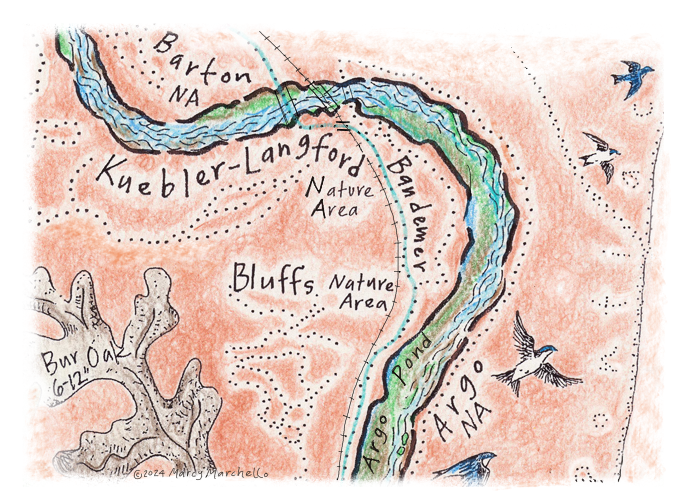
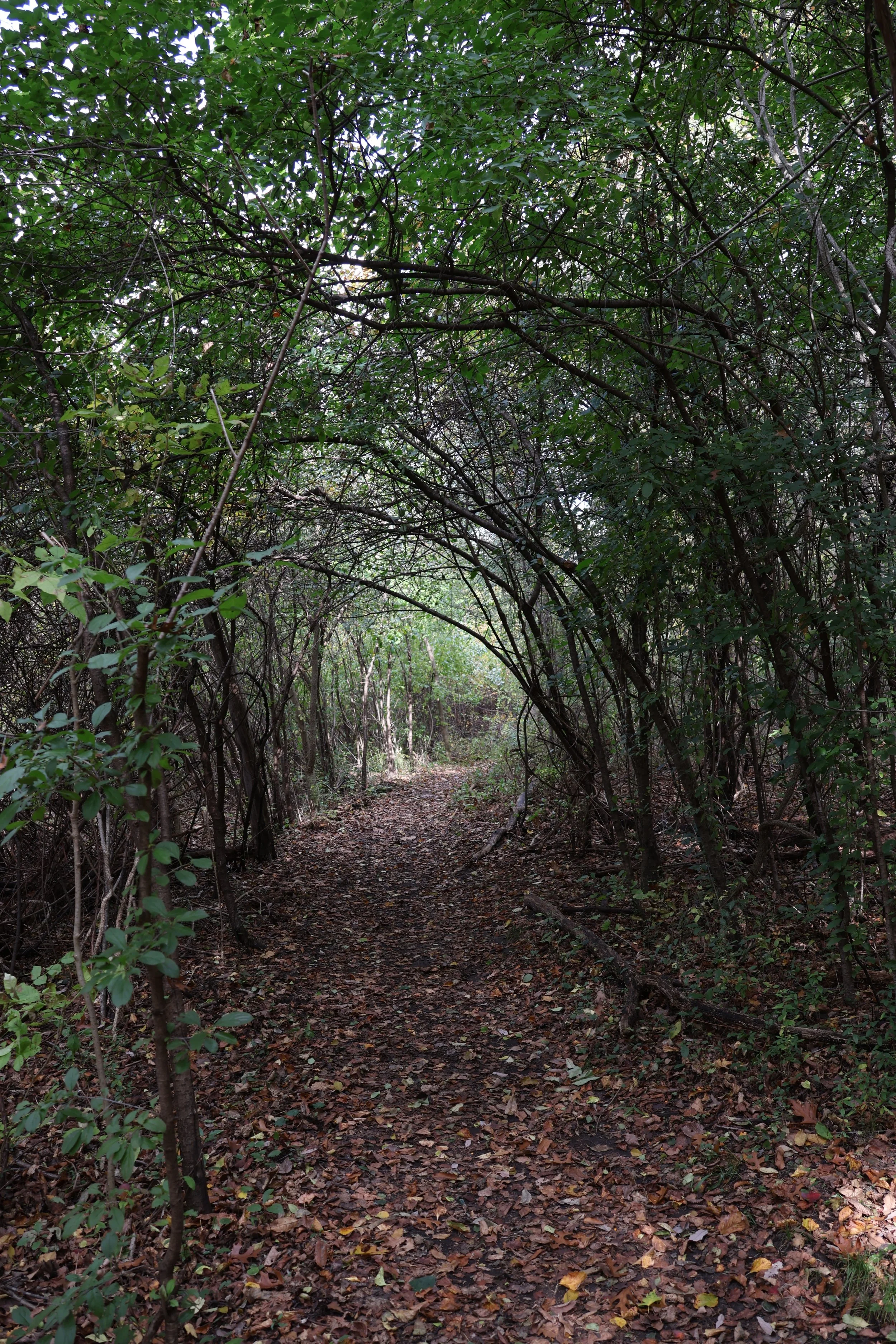
Kuebler-Langford Nature Area connects with the Hilltop & Bird Hills Nature Areas to account for over 180 combined acres of land just upstream of Argo Pond. A network of unpaved trails provides excellent opportunities for peaceful hiking above the river.
Bandemer Park offers 38 acres right along the river, making it a destination for canoeing/kayaking, as well as an ideal place to view the various flora and fauna in the park.
Argo Park & Riverside Park
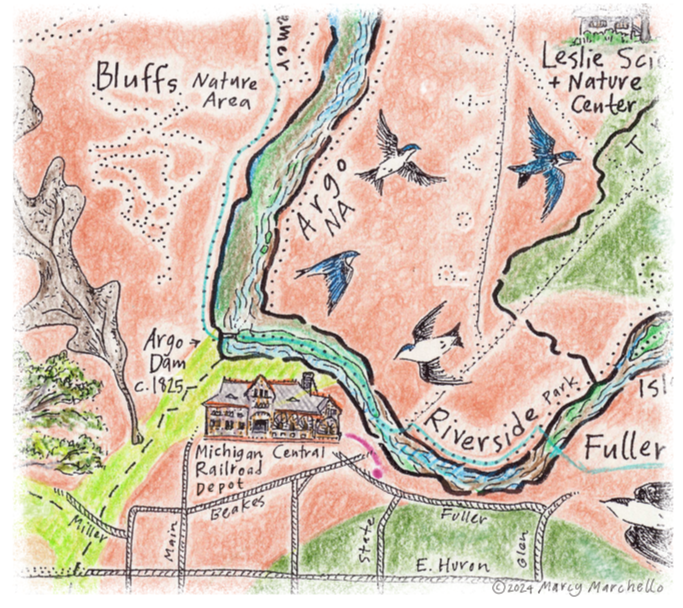
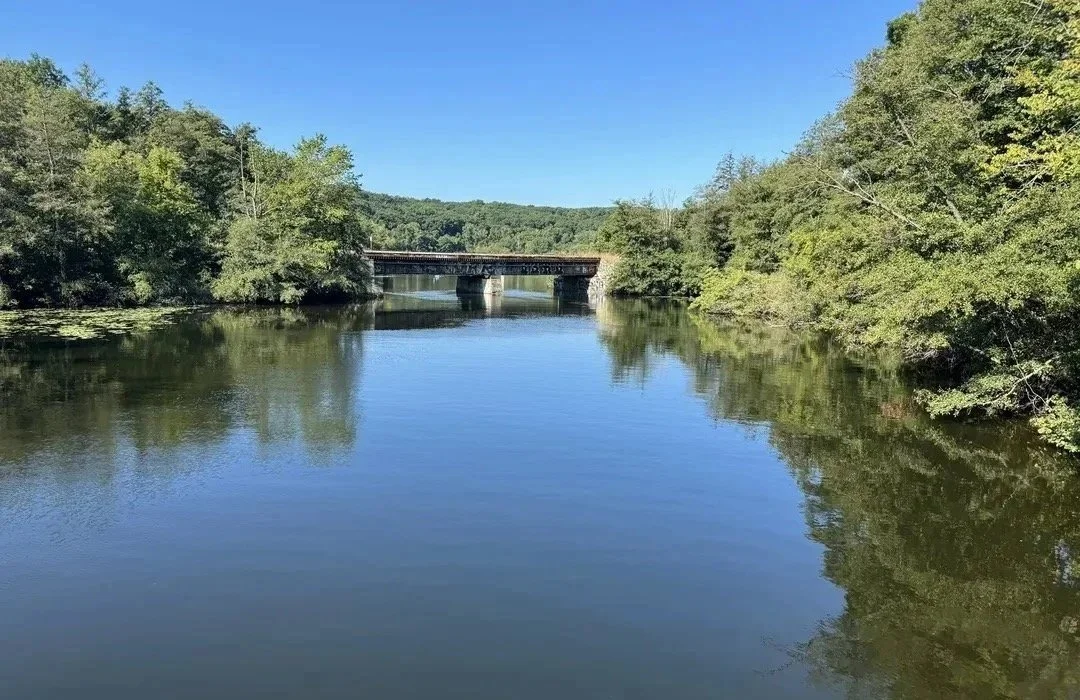
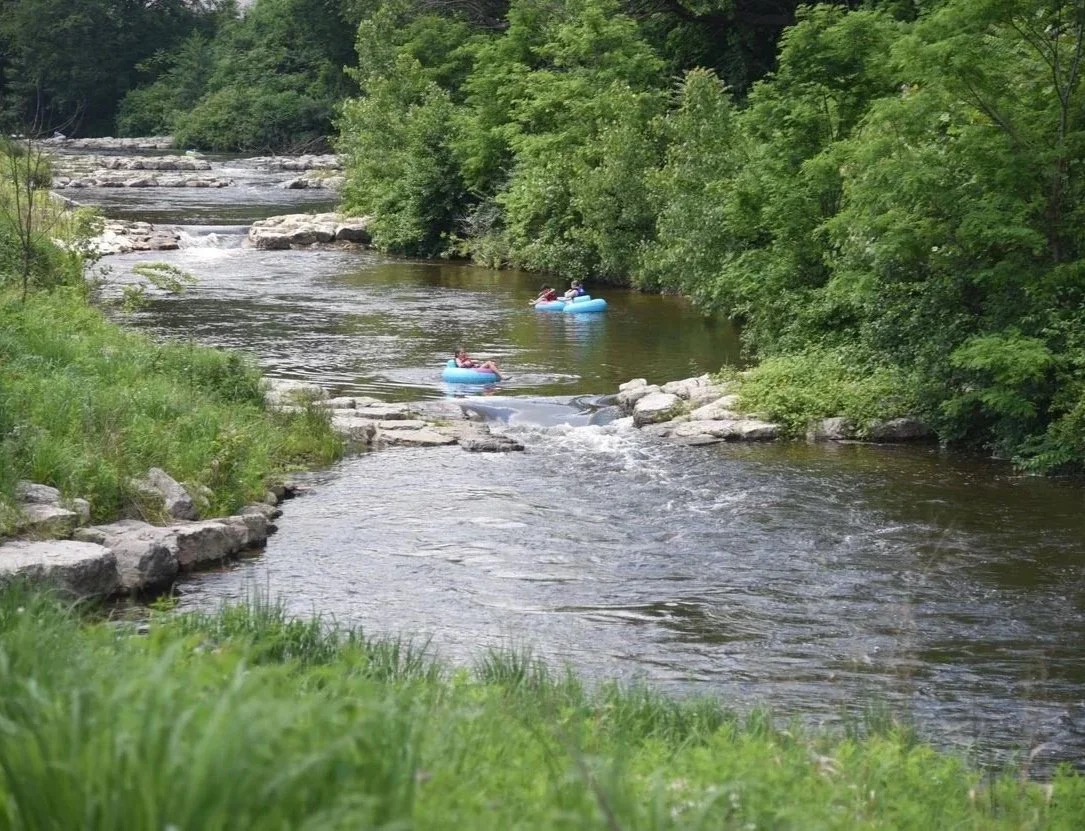
Argo Park lies on the east side of the river and home to the Argo Canoe Livery, a spot to rent canoes, kayaks, and tubes to float down the river. It is a hotspot of activity from Spring to Fall and offers a different way to experience the beauty of the river. The park itself boasts 22 acres of paths and trails that connect across Argo Dam to Bandemer, as well as parks further downstream like Riverside Park.
Island Park & Cedar Bend
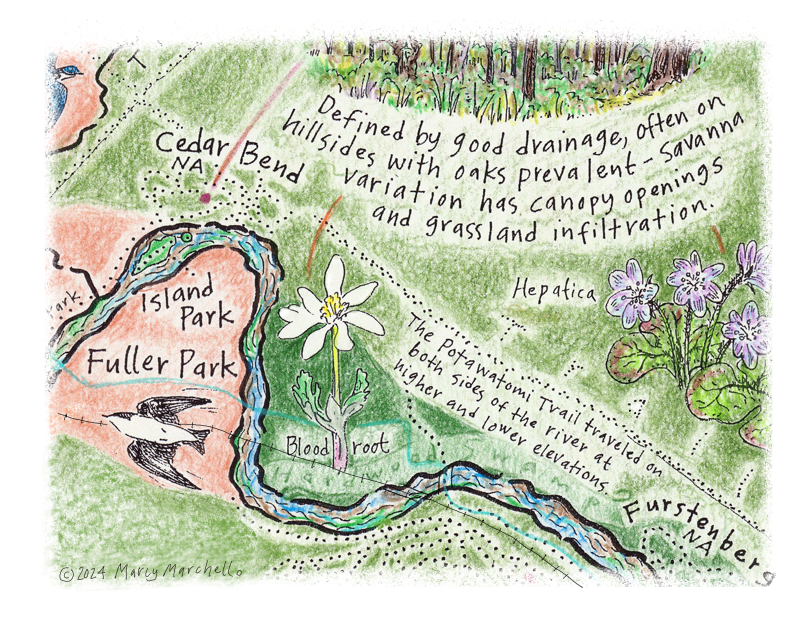
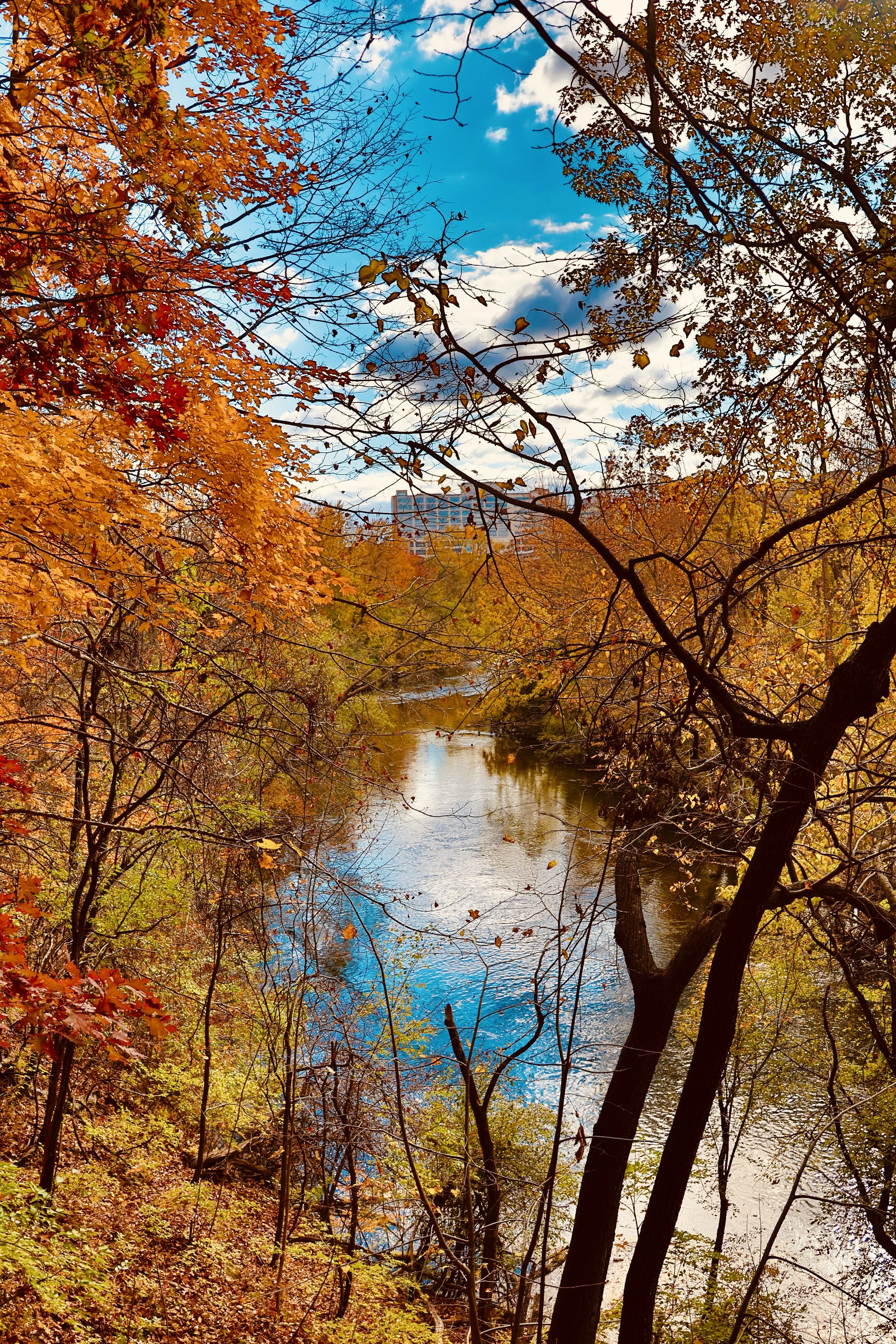
The historic Cedar Bend Path travels down from what is now North Campus out to Cedar Bend Drive and Fuller Road. It offers beautiful views high above the river and connects to Island Park. It is true “nature bathing: at its finest, but is unkempt with invasive species.
Island Park is a wonderful 5.6-acre park with a 1.8-acre island right on the river that is a perfect place to wade the river and spot to relax if kayaking or canoeing.
Nichols Arboretum
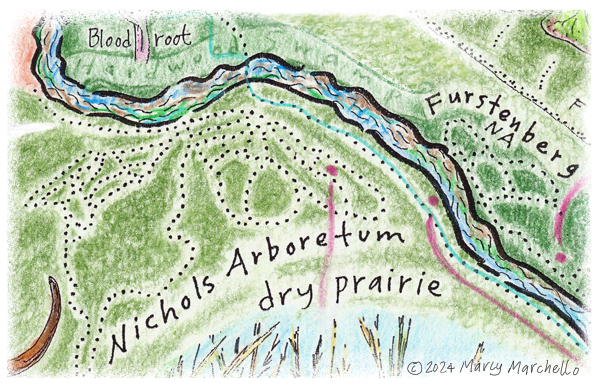
Nichols Arboretum, better known as “The Arb” is 124-acre, university-owned natural area full of the best Ann Arbor has to offer. From stunning gardens to 3.5 miles of trails to access to the river, The Arb is a true gem of Ann Arbor, and its most frequented. A destination for students, townies, and families, the natural beauty of Ann Arbor is on full display year-round. The adjoining Matthaei Botanical Gardens are a truly unique feature as well.
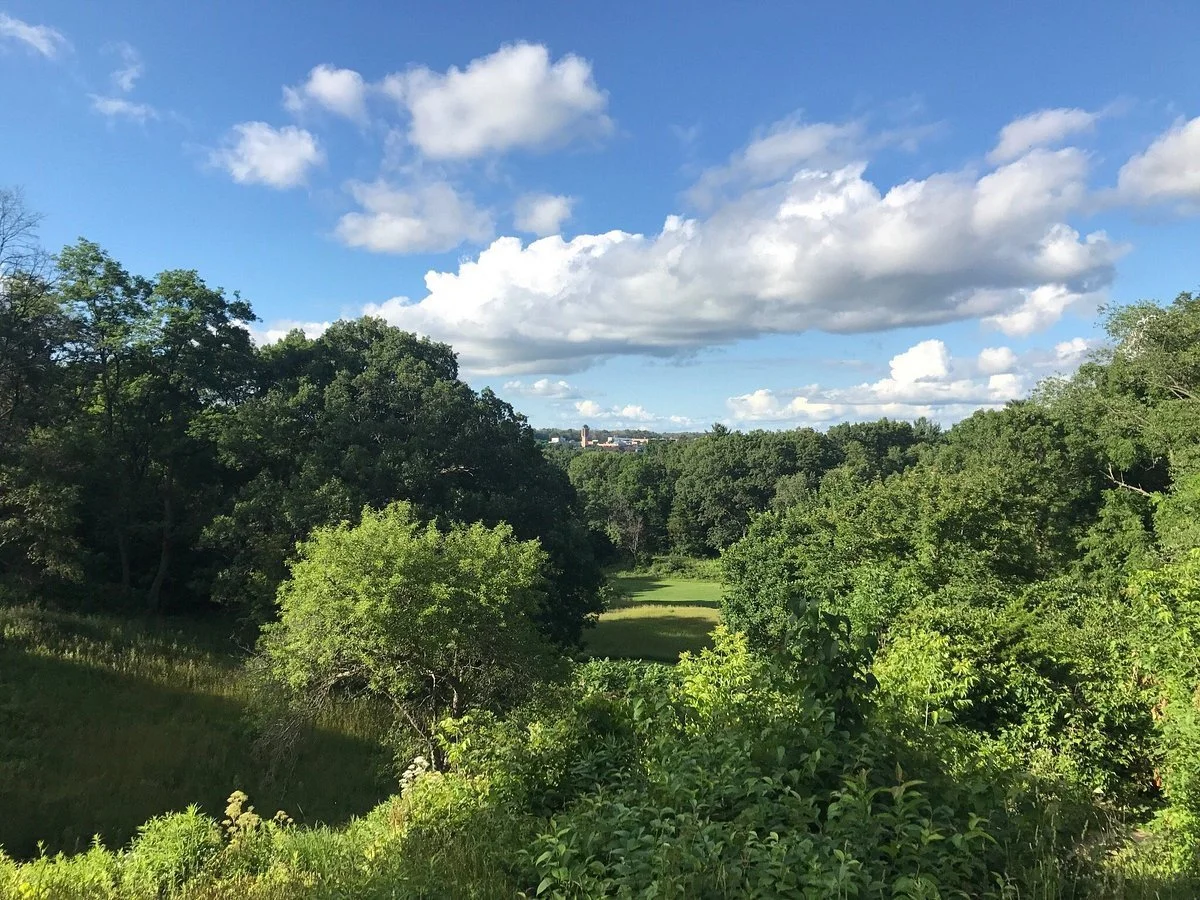
Geddes Pond & Gallup Park
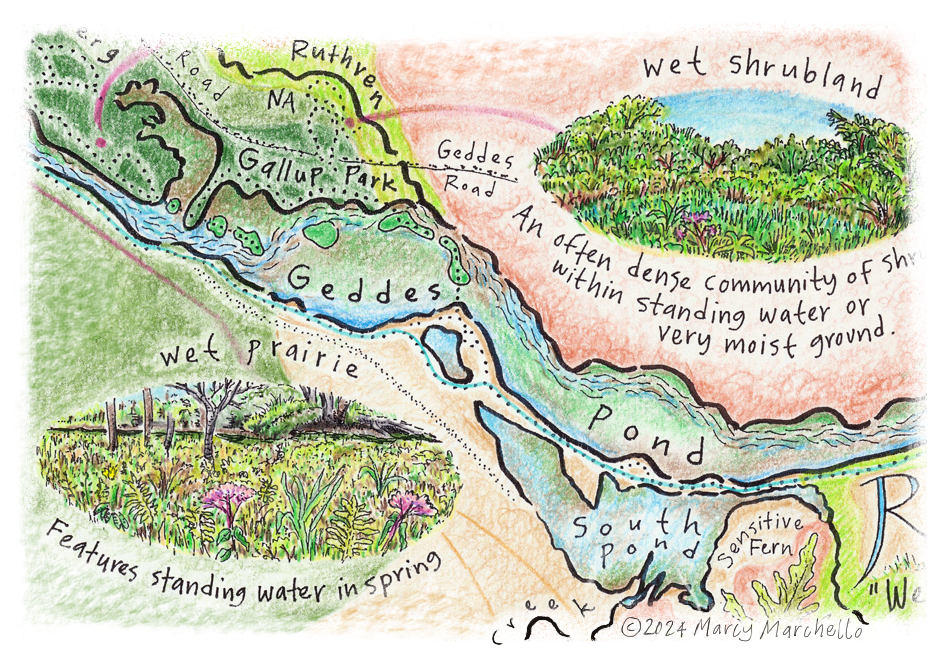
The easternmost gem, Gallup Park and Geddes Pond are destinations for hiking throughout the 69-acre park, bird watching, and boating. It is ideal for families as there are open fields and picnic tables to enjoy a day while the paved pathways offer opportunities for accessible walking, plus biking and running.