
Reimagining the Huron River Corridor
Cities around the world utilize their rivers to enhance lives through experiences, walkability, and nature. Currently, the Huron River separates rather than serving as a connector and destination for Ann Arbor residents.
Reimagining the River is a Three Step Process

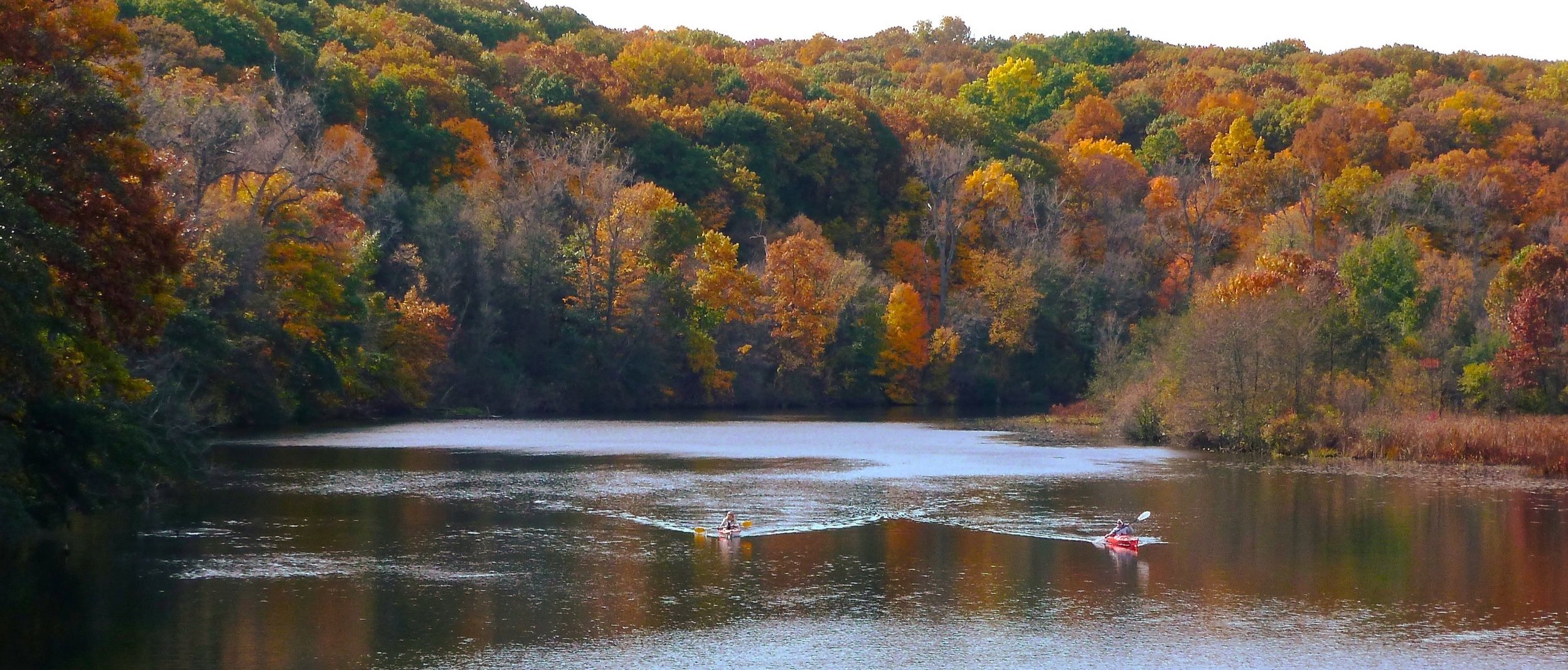
Restore the natural features around the river
The riverfront is full of natural beauty, but significant parklands are overgrown, underutilized, and difficult to access.
Transform the riverfront by removing invasives, restoring viewscapes, and creating walkable, vibrant public spaces to enjoy the natural features of the river.

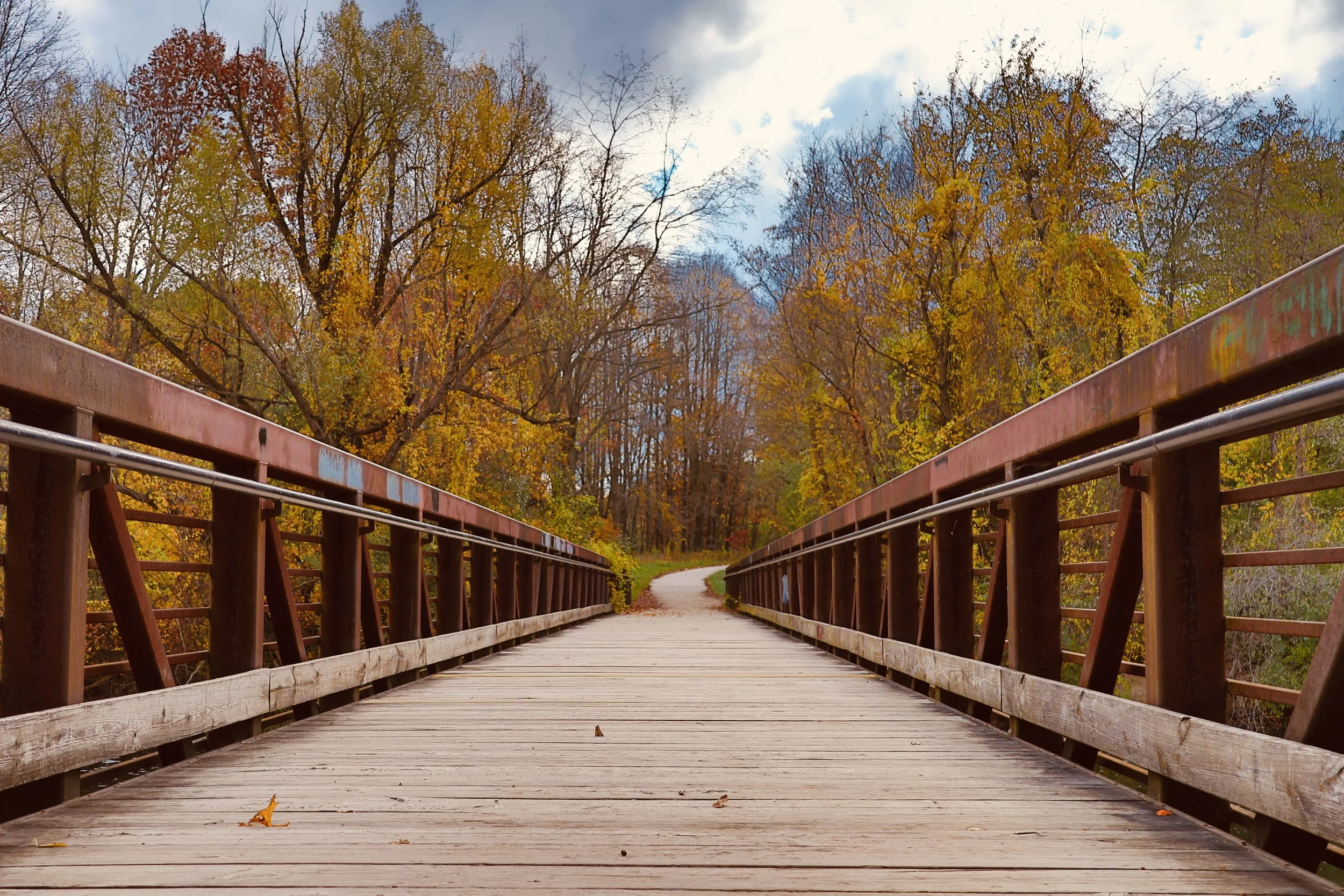
Improve connectivity with new paths, trails, & bridges between the campuses & downtown
Build new pedestrian crossings over the river, a mix between bridges and underpasses, to improve connectivity between downtown, Central, North, and Medical Campus. Restore old trails and pathways and build new ones to improve access to parkland and the river for residents, students, staff, and visitors.

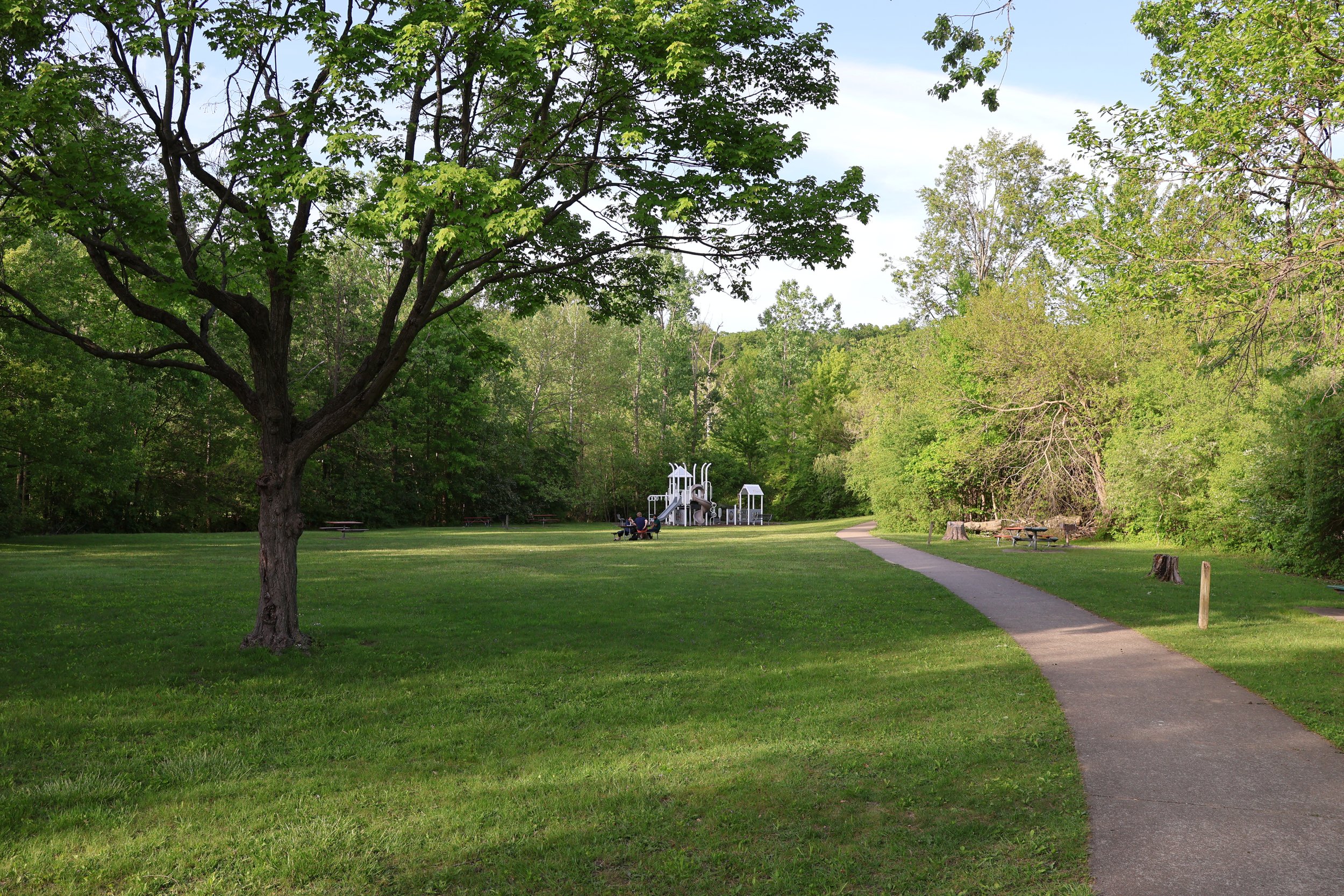
Placemaking along Fuller Road
Repurpose underutilized land along Fuller Road, ensuring the natural parkland is protected, into mixed-use, 15-minute neighborhood developments with housing, retail, dining, entertainment, and more.
Riverfront Inspiration
Riverfronts from cities around the United States and around the world provide inspiration for what Ann Arbor can become. From big cities to towns smaller than Ann Arbor, there are world-class riverfronts of all sizes that allow you to connect with nature in its purest form while having shops, cafes, pubs, and housing only a walk away!
The most important aspect to consider in reimagining the riverfront is ensuring that the natural feature and beauty are not impacted, but rather preserved, enhanced, and made even more accessible. Many cities around the world develop right along the waters edge, that is NOT a path that EA2 believes in pursuing.
Instead, we believe the first thing to be done is to make the park land the best it can be, to encourage as much “nature bathing” as possible, and further develop an appreciation of the outdoors for all in Ann Arbor. Any and all development done in the river corridor must be done in accordance to that mindset, the natural land and access to the river comes first.
Eugene, OR
Population: 177,000
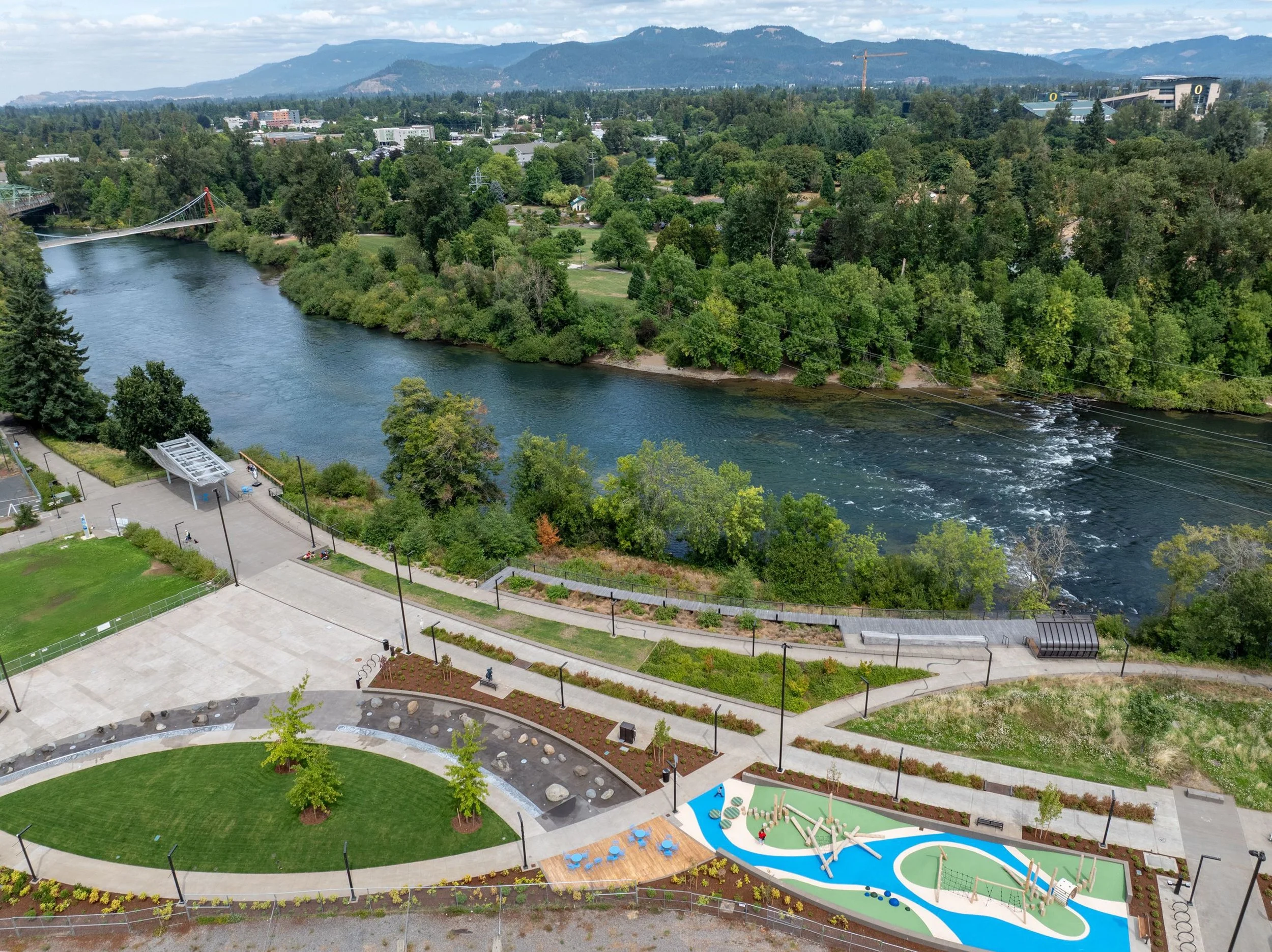
Eugene completed work on Riverfront Park in the summer of 2025, transforming an old utility operations yard along the river into a 3-acre park right on the waters edge. Complete with paved walking and biking trails, covered seating and overlooks of the river, and a 1-acre park plaza that, once further development is completed, will connect to multi-family housing and restaurants downtown. The design and features of the park had input from thousands of local community members, making it a true park for the people of Eugene.
Salzburg, Austria
Population: 157,000
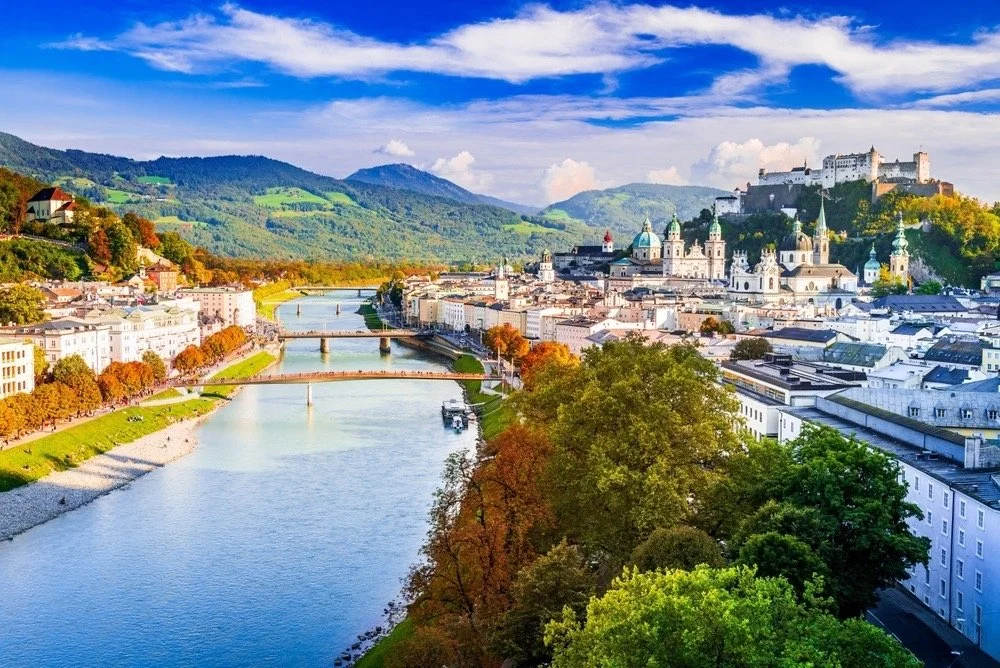
Salzburg has miles of continuous walking and biking paths along the riverbank, connecting parks, neighborhoods, and the town center without interruption. As seen in the above photo, there are frequent pedestrian bridges over the river for easy access between parks and the town. Like. Ann Arbor, Salzburg prides itself on a beautiful natural landscape. There are numerous parks and green spaces right along the river that are well-connected, making it very easy to immerse oneself in the beautiful space around them.
Asheville, NC
Population: 95,000
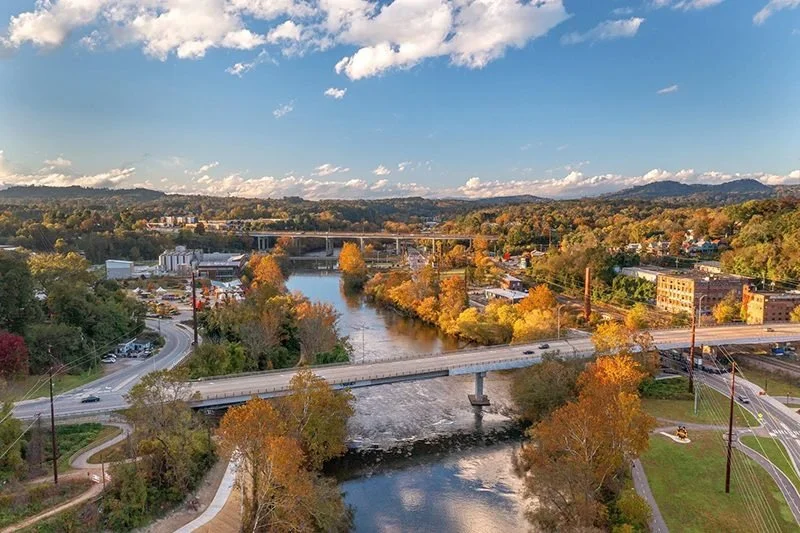
Asheville is a shining example of a vibrant riverfront. with numerous natural parks with a charming arts district within walking distance. The River Arts District is known as the. “creative heartbeat of Asheville” and is made up of restored warehouses and art studios right along the river. It is a hub for creatives and visitors alike with cafes, breweries, and galleries all alongside each other.
Numerous riverfront parks offer opportunities for hiking, biking, and kayaking along the river. Paved pathways and pedestrian bridges make it easy to get to and from the park land and the riverfront district.
Greenville, SC
Population: 72,000
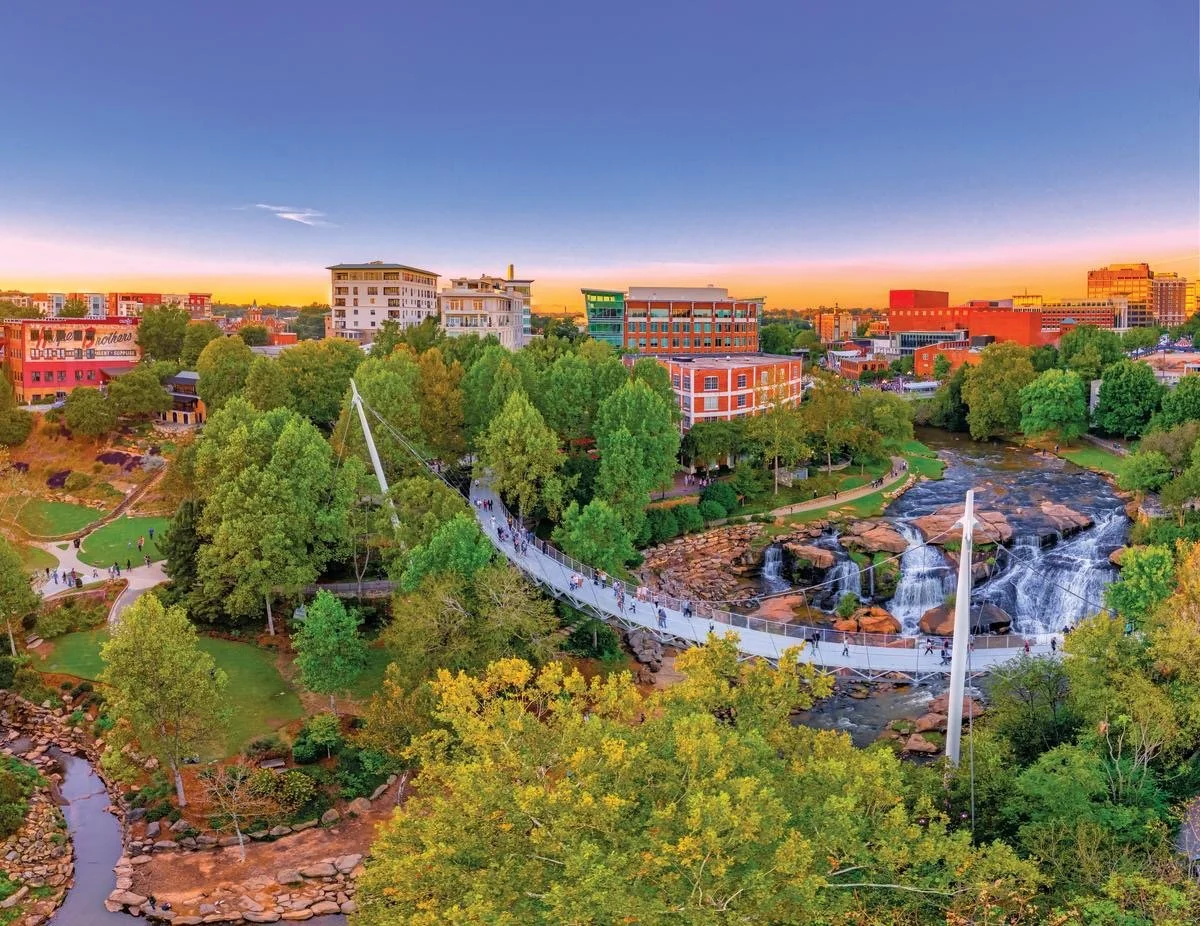
Greenville’s riverfront weaves through the town with waterfalls, gardens, woods, and more. It is a remarkably successful riverfront transformation. What stands out, and can be taken as inspiration for Ann Arbor, is its use of creatively-designed pedestrian bridges that are truly unique. The above photo is one example. The curved bridge shown stretches between trees and above a waterfall, offering crossers a stunning view. Greenville has a strong network of walking and biking trails that connect parks with surrounding neighborhoods as well.